Table Of Content

It’s beneficial for many skin problems like wounds, acne, and burns. Aloe vera is also consumed as food and in drinks and may have benefits for inflammatory bowel disease, diabetes, hepatitis, and more. This much-adored succulent can do wonders for a host of hair-related conditions, but you have to be careful about where you source from. Rub a small bit of aloe vera on the inside of your wrist and wait up to 2 hours to see if your skin reacts poorly.
Aloe Vera Is Here for Your Locks
The compounds in aloe vera may help reduce the chances of hair strands breaking or falling out. With the extra aloe vera, you can make your own leave-in conditioner for post-wash. This is especially helpful for those with really dry, damaged hair who need extra-strength moisture.
Aloe Vera for Hair 2023: Benefits of Aloe Vera Gel for Hair Loss - Cosmopolitan
Aloe Vera for Hair 2023: Benefits of Aloe Vera Gel for Hair Loss.
Posted: Mon, 04 Apr 2022 07:00:00 GMT [source]
How to make an aloe vera hair mask
Aloe vera is one of those do-it-all ingredients that tons of people rave about. Some people say aloe vera helps with hair growth, but there’s no scientific proof. However, researchers believe that aloenin, a chemical compound in the plant, is a primary factor in promoting hair growth, as found in people with a hair-loss condition called alopecia. It has been used to improve hair health and lessen breakage, which contributes to hair growth. A study found that fresh aloe vera juice offers protection from ultraviolet (UV) radiation that comes from the sun.
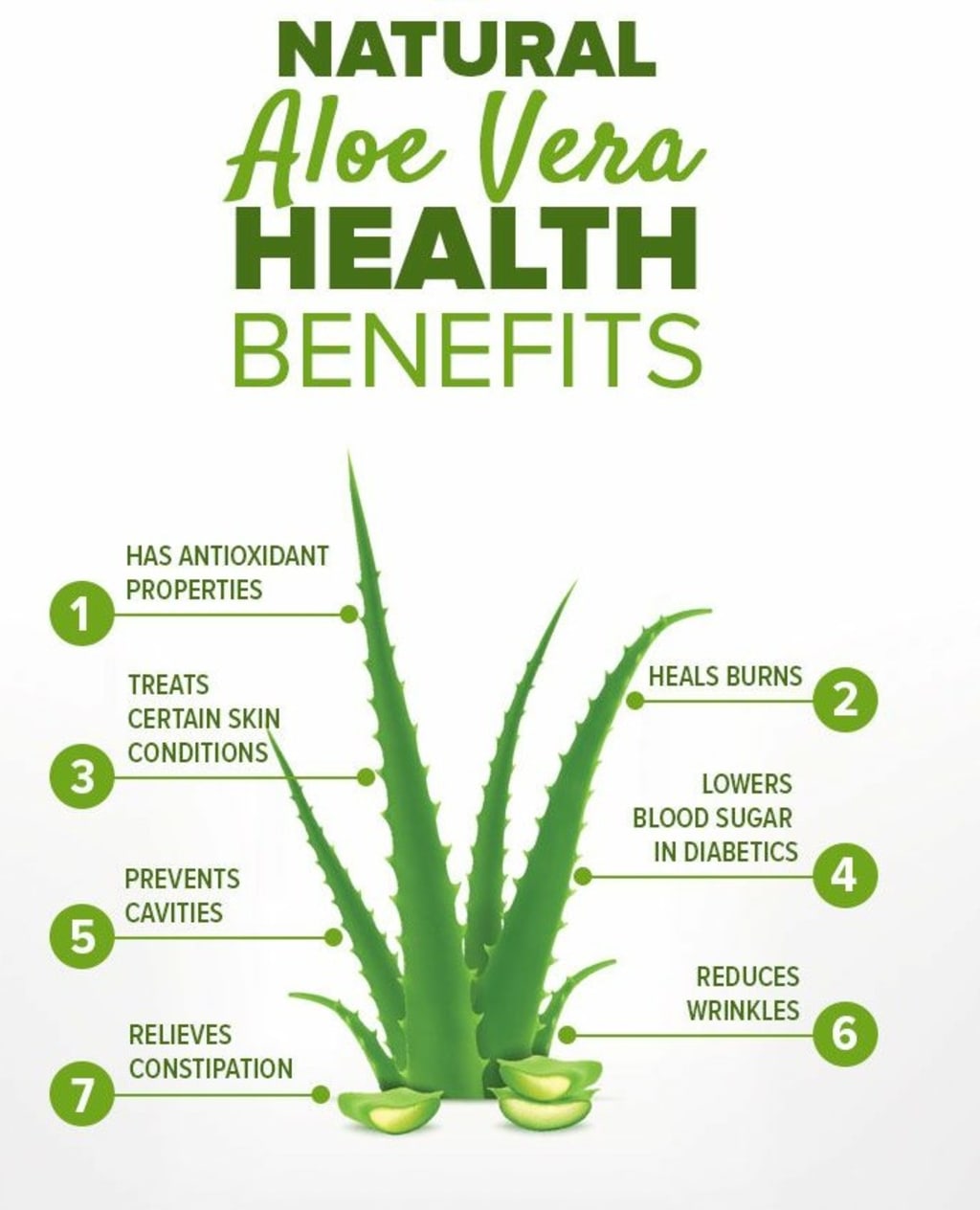
Aloe Vera For Hair Loss Treatment
Aloe vera was widely used as an essential ingredient in regular beauty regimens of renowned Egyptian queens Cleopatra and Nefertiti[3]. Aloe vera can help moisturize your hair and scalp, which is valuable for a few key reasons. One, a moisturized scalp is a well-balanced scalp, which is imperative if you want to prevent flaking and irritation. Two, hair that's full of moisture tends to look smoother and shinier—plus it's less prone to breakage and split ends too.
Keep in mind though that just because the plant has these qualities doesn’t mean you’ll reap all the benefits by applying it to your hair or scalp. Around 70 AD, the Greek Herbal of Dioscorides (one of the most influential and widely read books on medicine and natural history) detailed the aloe vera plant‘s various uses, including as an ancient treatment for hair loss. Renowned military generals like Alexander the Great also used the herb to treat battle wounds. Even though the plant is said to originate from Sudan, it enjoys worldwide acclaim as a medicinal herb and home remedy, particularly in India, Japan, and China.
The Benefits of Aloe Vera for Hair, and How to Use It - Real Simple
The Benefits of Aloe Vera for Hair, and How to Use It.
Posted: Sat, 05 Nov 2022 07:00:00 GMT [source]
How should you apply aloe vera?
Dr. Thosani says studies are in progress looking at the effects of aloe vera on those with alopecia, a disease that happens when the immune system attacks hair follicles causing hair loss. But, further research is needed before he can recommend it for the condition. Some people might have an irritated and itchy scalp after applying aloe vera. Usually, people who are allergic to tulips, garlic, and onions are often found to be allergic to aloe vera.
Here’s some other things that I grow at home to use my hair:
Aloe vera can increase the amount of cortisone that’s absorbed by your skin when the two are used together. Aloe vera cleanses the hair shaft efficiently, stripping off extra sebum (oil) and residue from other hair products. As is the case with any product, she recommends doing a patch test to ensure you don’t have any allergic reactions or sensitivities to the plant.
Best Overnight Treatment: Philip Kingsley Overnight Scalp Barrier Serum
The short-stemmed succulent is a super hydrator that stores water in the slimy flesh of its leaves and is full of minerals, like copper and zinc, that have been proven to promote healthy skin and hair. The plant’s healing properties and accessibility—you can buy a jar of aloe vera gel at your local store, or even grow the succulent yourself to have at your disposal—have made it a favorite among dermatologists. The gel in each leaf’s innermost layer is composed of water, carbohydrate polymers, vitamins, and essential amino acids, according to the National Cancer Institute (NIC). These ingredients make the plant ideal for hair, in addition to managing skin conditions and gastrointestinal disorders. It’s worth noting that more research is needed on aloe vera for hair, though studies do look promising. If you are looking for special products beyond raw aloe to refresh your daily or weekly hair-care regimen, it's worth taking the time to find the ones that will give you the most bang for your buck.
How to store aloe vera to keep it fresh
B. Mix aloe vera gel and amla juice or powder in equal quantities. Mix well 2 tsp of aloe vera gel, 2 tsp of yogurt, and 2 tsp of honey in a bowl. "Aloe vera also has enzymes such as bradykinase that reduces inflammation when applied topically to the scalp, as well as minerals such as copper, zinc, calcium, and magnesium which are also beneficial for hair health."
To help seal in the moisture, apply a few drops of castor oil and massage in. Leave the aloe vera in for about 30 minutes and then rinse off. "Aloe is very beneficial for the hair because of its moisturizing and hydration benefits," shares Georgia-based hairstylist Alexander Armand.
Ahead, we explore how this widely loved ingredient hydrates your locks (and so much more) to help you see the appeal of aloe vera for hair. You may be the next in line to fall in love with this humble ingredient — if you haven’t already. Aloe vera has active amino acids[6] which can turn your lifeless hair into shiny hair.
However, it is best to use raw juice, freshly extracted from the plant. Prepare a fine paste from 2 tsp overnight-soaked fenugreek seeds. Along with high collagen content, aloe vera has natural cooling properties too. This helps to keep your scalp and hair safe from the UV radiation of the sun[8].
You probably won’t have any adverse reactions to using aloe vera, but there is also no guarantee that you will experience significant benefits. More research will be necessary before we can understand how to apply aloe vera most effectively to promote hair health. How often you use aloe vera depends on what you’re using it for, but in general, Dr. Greenfield says you can apply a few drops distributed evenly throughout the hair and scalp up to one to two times a week. If you're using a shampoo, conditioner, or styling product with aloe vera, feel free to use them every day or as often as you normally would in your hair routine. Because of those anti-inflammatory properties, aloe vera helps reduce a lot of the symptoms, like itchiness, dry scalp, and irritation. If you're using aloe as a hair mask to improve your overall hair health, apply it one to two times per week.
You don't have to wash your hair after applying aloe vera, but depending on how much you use, it may be smart to give it a quick rinse. If you use it as a leave-in conditioner, then there's no need. Overall, aloe vera is a very safe ingredient to use on your hair.
This is especially important if you have sensitive or reactive skin. Also, it is power-packed with minerals such as zinc, copper along with proteolytic enzymes[5]. They aid in stimulating the dormant cells in your follicles and promote faster hair regrowth. It’s best known for helping to relieve sunburned skin and other surface wounds, but emerging research is starting to uncover other health benefits, too. Read on to learn about all the things this plant has to offer, according to skin and hair experts.
“Most hair types can benefit from aloe vera juice, but hair that is dry may benefit most because of its hydrating properties,” Camp says. “You need to wash your hair on a regular basis if you are applying aloe vera to your hair routinely. However, Washing your hair too often is not recommended, especially if you have dry scalp and hair, says Dr. Zeel. After treating your hair with aloe vera remedies, you need to leave it for some time to let the ingredients soak into your scalp and hair tissues.


No comments:
Post a Comment